Easy Homemade English Muffins – Perfect Breakfast Treat
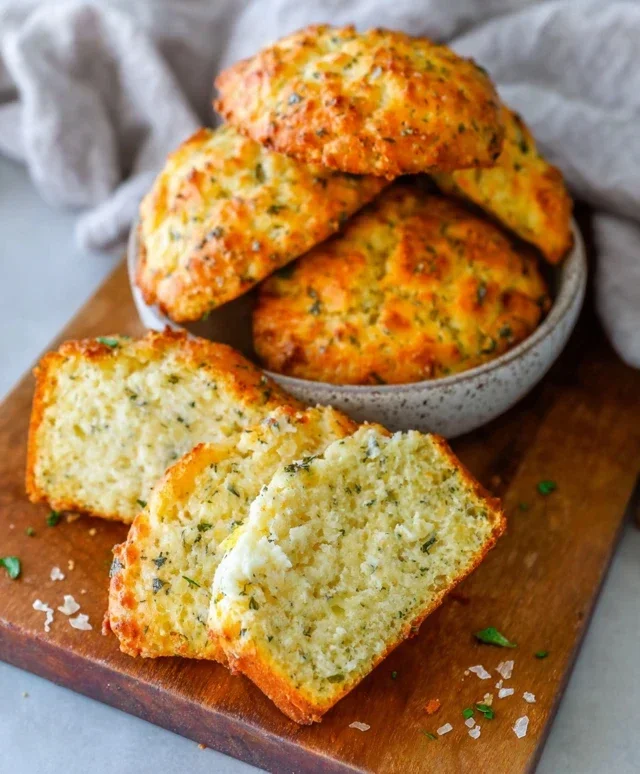
Easy homemade English muffins are surprisingly simple to achieve, and once you try them, you’ll wonder why you ever bought them from the store! There’s something incredibly satisfying about pulling warm, fluffy rounds of perfectly nooks-and-crannies goodness from your own oven. We all know and love those classic diner-style English muffins, with their delightful chewy interior and slightly crisp exterior, perfect for holding a generous smear of butter or your favorite jam. What makes these easy homemade English muffins truly special is the control you have over the ingredients, ensuring a fresher, tastier result every single time. Forget the preservatives and the blandness of store-bought options; prepare yourself for a breakfast revelation that’s both comforting and wonderfully achievable right in your kitchen. Let’s get baking!

Easy Homemade English Muffins
There’s something incredibly satisfying about biting into a warm, homemade English muffin, with its nooks and crannies perfectly designed to capture butter or jam. Forget the store-bought versions that often lack that signature texture. Today, we’re diving into the simple joy of crafting your own perfect English muffins right in your kitchen. This recipe is designed for ease, yielding delicious results even for begin extractner bakers. The magic lies in a straightforward dough and a unique cooking method that gives them their characteristic texture. Get ready to elevate your breakfast game!
Ingredients:
Getting Started: Activating the Yeast
The first step in creating our beautiful English muffins is to awaken the yeast. In a large mixing bowl, combine the warm water and sugar. Give it a gentle stir to help the sugar dissolve. Now, sprinkle the instant dry yeast over the surface of the water. Let this mixture sit undisturbed for about 5 to 10 minutes. You’ll know your yeast is active and ready to go when it becomes foamy and bubbly. This visual cue tells you that the yeast is alive and eager to work its magic on our dough, producing those wonderful pockets of air that create the signature texture of English muffins. If you don’t see any foam, your yeast might be expired, and it’s best to start with a fresh packet.
Mixing the Dough
Once your yeast is foamy and ready, it’s time to bring the rest of our ingredients together. To the yeast mixture, add the oil (or melted butter) and give it a quick whisk. Now, it’s time for the flour. Add 2 ¾ cups of your chosen flour and the salt to the bowl. If you’re using kosher salt, I recommend adding just a tiny pinch more than you think you need, as it’s less dense than table salt.
Using a sturdy spoon or a dough whisk, begin extract to mix the ingredients until a shaggy dough forms. It will look a bit messy at this stage, and that’s perfectly normal. Don’t be tempted to add too much extra flour right away. We’re aiming for a slightly sticky dough, which is key to achieving that tender interior. Once it’s mostly combined, you can turn the dough out onto a lightly floured surface.
Kneading and First Rise
Now comes the satisfying part: kneading! With a bit of flour on your hands and your work surface, begin extract to knead the dough for about 5 to 8 minutes. The goal is to develop the gluten, which will give our muffins structure and that delightful chew. You’ll know you’re done when the dough becomes smooth, elastic, and slightly less sticky. If it’s still sticking to your hands excessively, you can add a tablespoon of flour at a time, but be sparing.
After kneading, shape the dough into a smooth ball. Lightly grease the mixing bowl you used earlier with a little oil. Place the dough ball into the bowl and turn it to coat it with the oil. Cover the bowl tightly with plastic wrap or a damp kitchen towel. Find a warm, draft-free spot in your kitchen, like a slightly warm oven (turned off, of course!) or near a sunny window, and let the dough rise for about 1 to 1.5 hours, or until it has doubled in size. This is where the yeast really gets to work, creating those airy pockets that will become the nooks and crannies.
Shaping and Second Rise
Once your dough has doubled and looks beautifully puffed up, gently punch it down to release the air. Turn the dough out onto a lightly floured surface once more. Now, we’ll shape our muffins. You can either divide the dough into 8 equal pieces and gently flatten them into discs, or you can roll the dough out to about ½ inch thickness and use a round cookie cutter (about 3 inches in diameter) to cut out your muffins. If you cut them, re-roll the scraps gently and cut out more until all the dough is used.
The next crucial step is to let these shaped muffins rest and rise again. Lightly dust a baking sheet or a piece of parchment paper with cornmeal. Place your shaped English muffin discs onto the cornmeal-dusted surface, ensuring they have a little space between them. Dust the tops of the muffins lightly with a bit more cornmeal. Cover them loosely with plastic wrap or a clean kitchen towel and let them rise for another 30 to 45 minutes, until they look puffy.
Cooking the English Muffins
This is where the magic really happens, creating those delightful nooks and crannies. You’ll need a large, non-stick skillet or a griddle. Heat it over medium-low heat. You want a gentle, consistent heat; too high and they’ll burn on the outside before cooking through.
Carefully place 2 to 3 English muffins into the preheated skillet, being careful not to overcrowd it. Cook them for about 5 to 7 minutes per side, or until they are golden brown and have developed a nice crust. You’ll see them puff up as they cook. Resist the urge to press them down with your spatula, as this will flatten the precious nooks and crannies we’ve worked so hard to create! Once both sides are beautifully golden, remove them from the skillet and place them on a wire rack to cool slightly. Repeat the cooking process with any remaining muffins.
The Final Touch: Toasting and Enjoying
Once your English muffins have cooled enough to handle but are still warm, it’s time for the ultimate test: toasting! The best way to enjoy them is to split them open with a fork (again, avoiding a knife to preserve the texture). Then, toast them in a toaster or under the broiler until they are golden and crisp. The toasting process opens up those wonderful nooks and crannies, making them perfect for all your favorite toppings. Slather them with butter, your favorite jam, honey, or even use them as the base for a delicious breakfast sandwich. The aroma alone is worth the effort, and the taste is pure homemade bliss. Enjoy your incredibly satisfying, easy homemade English muffins!

Conclusion:
I hope you’re as excited as I am to ditch the store-bought and dive into the world of making your own easy homemade English muffins! This recipe truly is a game-changer because it proves that you don’t need fancy equipment or expert skills to create those delightfully craggy, chewy, and satisfying breakfast staples. The magic happens with simple ingredients and a little patience, resulting in a flavor and texture that’s simply unparalleled. They’re perfect for toasting and slathering with butter, jam, or honey, but their versatility truly shines.
Imagin extracte these golden beauties as the base for a decadent breakfast sandwich, piled high with a fried egg, crispy beef bacon, and melted cheese. Or, get creative with sweet toppings like fresh fruit and whipped cream for a delightful brunch treat. If you’re feeling adventurous, consider adding a pinch of herbs to the dough for a savory twist, or even some whole wheat flour for a nuttier flavor. I wholeheartedly encourage you to give this recipe a try. The reward of biting into a warm, freshly made English muffin is absolutely worth it!
Frequently Asked Questions:
Can I make these ahead of time?
Absolutely! Once cooled, you can store your easy homemade English muffins in an airtight container at room temperature for up to 3 days, or freeze them for longer storage. Simply toast them from frozen or thaw at room temperature.
Why are my English muffins not getting those craggy insides?
The key to those characteristic nooks and crannies is a combination of proper dough hydration and cooking method. Ensure your dough is slightly sticky but manageable, and avoid overworking it. When cooking, make sure the griddle or pan is at a medium-low heat, allowing them to cook slowly and develop that signature texture without burning.
What’s the best way to get them evenly browned?
A cast-iron griddle or heavy-bottomed frying pan provides the most consistent heat. Avoid overcrowding the pan, and flip them only once to allow even cooking. If you notice some browning faster than others, you can adjust the heat under individual muffins.
Easy Homemade English Muffins
Whip up a batch of delicious, fluffy homemade English muffins with this simple recipe. Perfect for breakfast or brunch!
Ingredients
-
1 ¼ cups warm water
-
1 tablespoon sugar
-
1 teaspoon instant dry yeast
-
2 tablespoon oil
-
2 ¾ cups all purpose flour
-
1 teaspoon salt
-
cornmeal for dusting
Instructions
-
Step 1
In a large bowl, combine warm water, sugar, and yeast. Let stand for 5-10 minutes until foamy. -
Step 2
Stir in oil and salt. Gradually add flour, mixing until a soft dough forms. Knead on a floured surface for 5-7 minutes until smooth and elastic. -
Step 3
Place dough in a lightly oiled bowl, cover, and let rise in a warm place for 1 hour, or until doubled in size. -
Step 4
Punch down dough. Turn out onto a lightly floured surface and pat or roll to ½ inch thickness. Cut out circles using a 3-inch cutter. Place rounds on a baking sheet lightly dusted with cornmeal. -
Step 5
Heat a lightly greased griddle or non-stick skillet over medium-low heat. Cook muffins for 5-7 minutes per side, until golden brown and cooked through. -
Step 6
Cool on a wire rack. Split with a fork and toast before serving.
Important Information
Nutrition Facts (Per Serving)
It is important to consider this information as approximate and not to use it as definitive health advice.
Allergy Information
Please check ingredients for potential allergens and consult a health professional if in doubt.