Perfect Ramen Eggs Ajitama- Flavorful Marinated Egg Recipe
Ramen eggs, or ajitama, are more than just a simple topping; they are the heart and soul of a truly exceptional bowl of ramen. These marinated soft-boiled eggs, with their custardy yolks and savory, umami-rich whites, possess a magical ability to elevate any noodle soup from delicious to divine. I remember my first encounter with perfectly prepared ajitama – the way the yolk spilled out, coating the noodles in a creamy embrace, was an epiphany. People adore ramen eggs because they offer a concentrated burst of flavor and a luxurious texture that complements the broth and noodles beautifully. What makes these ramen eggs so special is the meticulous balance of the marinade, a delicate dance of soy sauce, non-alcoholic mirin, and non-alcoholic sake that infuses every bite with incredible depth. They’re the little luxuries that make a big difference.
The Ultimate Guide to Perfect Ramen Eggs (Ajitama)
Unlock the Secret to Irresistible Ramen Eggs
Ramen Eggs (Ajitama)
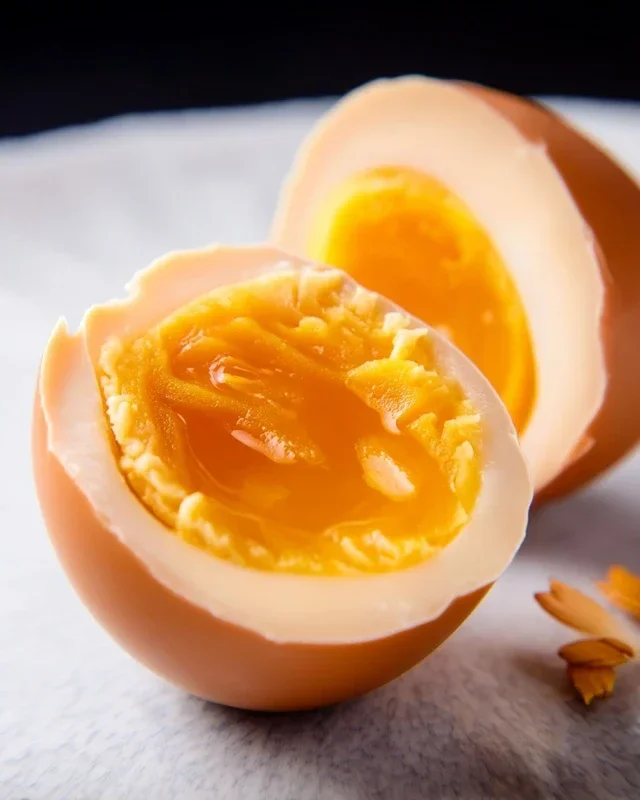
There’s something undeniably magical about a perfectly cooked ramen egg, also known as ajitama. The creamy, almost custard-like yolk, infused with a savory-sweet marinade, is the crowning glory of any bowl of ramen. While they might seem intimidating, making these flavorful gems at home is surprisingly straightforward and incredibly rewarding. The process involves carefully boiling eggs to achieve a specific doneness, followed by a blissful marination period that transforms them into something truly special. Whether you’re a ramen aficionado or just looking for a delicious way to elevate your egg game, ajitama are a must-try. Let’s dive into how you can create these culinary delights in your own kitchen.
Ingredients:
*Note on Eggs: For the best results, it’s recommended to use eggs that are at least a few days old. Fresher eggs tend to be harder to peel cleanly after boiling. If you only have very fresh eggs, you can try adding a splash of vinegar to the boiling water, which can sometimes help with the peeling process by slightly hardening the egg white’s outer layer.
Preparing the Eggs: The Perfect Boil
The key to a perfect ramen egg is achieving a soft-boiled state with a jammy, semi-liquid yolk. This requires precise timing and temperature control.
Start by bringin extractg a pot of water to a rolling boil. The pot should be large enough to comfortably hold the eggs in a single layer without overcrowding. Once the water is boiling vigorously, carefully add the eggs. You can do this directly into the boiling water, or if you’re concerned about cracking, you can gently lower them in using a slotted spoon. If you’re using vinegar, add a tablespoon or two to the boiling water at this stage. For the perfect jammy yolk, aim to boil the eggs for precisely 6 minutes and 30 seconds. This duration is crucial for achieving that desirable gooey center. Once the timer goes off, immediately remove the eggs from the boiling water.
Prepare an ice bath. This is an essential step to stop the cooking process immediately and prevent the yolks from overcooking. Fill a bowl with ice and cold water. As soon as the eggs are out of the boiling water, plunge them into the ice bath. Let them sit in the ice bath for at least 10-15 minutes. This chilling period is also vital for making the eggs easier to peel. The rapid temperature change helps the egg white contract slightly away from the shell, creating a small gap that simplifies peeling.
Crafting the Ajitama Marinade
While the eggs are chilling, it’s time to prepare the flavorful marinade that will infuse them with savory depth. This marinade is a simple yet effective blend of salty, sweet, and umami notes.
In a small saucepan, combine the soy sauce, water, non-non-non-alcoholic alternativeic non-alcoholic mirin, and granulated sugar. Stir these ingredients together until the sugar is completely dissolved. Place the saucepan over medium heat. You don’t need to bring this mixture to a vigorous boil; gently warming it is sufficient to help the flavors meld and dissolve the sugar. Stir occasionally to ensure even heating. Once the sugar has dissolved and the mixture is warm, remove it from the heat. Allow the marinade to cool down slightly before proceeding to the next step. A warm marinade is fine, but a scorching hot one could start to cook the eggs further, which is not what we want.
Once the eggs have had a good soak in the ice bath and are cool enough to handle, it’s time to peel them. Be gentle as you peel each egg. The cold temperature and the prior ice bath should make this process much easier than peeling a hard-boiled egg. Work under cool running water if needed; the water can help to wash away any small shell fragments and lubricate the peeling process. After peeling, carefully inspect each egg to ensure all the shell fragments are removed. You want a smooth, unblemished surface for optimal marinade absorption.
Now it’s time to marinate! Place the peeled eggs into a resealable bag or a small airtight container. Pour the cooled soy sauce mixture over the eggs, making sure they are fully submerged in the liquid. If using a bag, gently press out as much air as possible before sealing it. If using a container, ensure the lid is securely fastened. Place the bag or container in the refrigerator. The longer you marinate the eggs, the deeper the flavor will penetrate the yolk and the firmer the outside of the yolk will become. For a good balance of flavor and a still-creamy yolk, aim for at least 4-6 hours. For a more intense flavor and a slightly firmer, richer yolk, you can marinate them for up to 24 hours. Resist the urge to marinate them for too long, as the salt can eventually start to “cook” the yolk and make it too firm.
Enjoying Your Ajitama
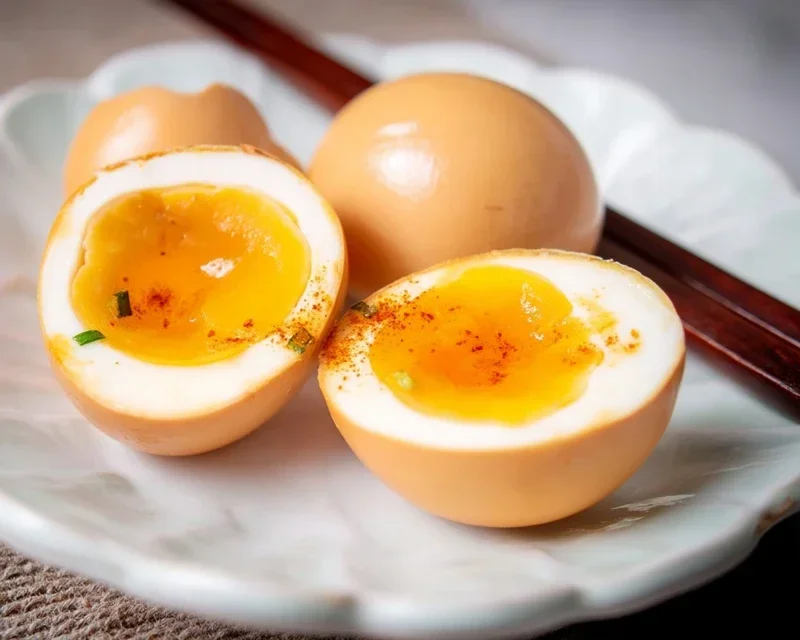
Once your ajitama have marinated to your liking, they are ready to be enjoyed! You can cut them in half lengthwise with a sharp knife for a beautiful presentation. The vibrant orange yolk against the pnon-alcoholic ale egg white is truly a sight to behold. These ramen eggs are perfect not only for ramen but also as a topping for rice bowls, salads, or even just enjoyed on their own as a protein-rich snack. Store any leftover ajitama in their marinade in the refrigerator for up to 3-4 days.
Conclusion:
There you have it! Making perfect Ramen Eggs, also known as Ajitama, is surprisingly simple and incredibly rewarding. These marinated soft-boiled eggs are a cornerstone of authentic ramen, offering a burst of savory, umami-rich flavor and a delightfully jammy yolk that elevates any noodle dish. The beauty of this recipe lies in its adaptability and the minimal effort required for such a significant flavor payoff. They’re not just for ramen, though! I love adding them to salads, rice bowls, or even enjoying them as a standalone snack. Don’t be afraid to experiment with different marinades – soy sauce, non-alcoholic mirin, and non-alcoholic sake are a classic trio, but you can infuse them with gin extractger, garlic, or even a touch of chili for a custom kick.
So please, give this Ramen Eggs recipe a try. I’m confident you’ll be delighted with the results and find yourself reaching for this simple yet sophisticated addition time and time again. Happy cooking!
Frequently Asked Questions about Ramen Eggs:
How long do Ramen Eggs last?
Once marinated and stored in an airtight container in the refrigerator, Ramen Eggs (Ajitama) should be consumed within 3 to 4 days for the best flavor and texture. The marinade helps to preserve them, but the quality will gradually diminish over time.
Can I make the marinade ahead of time?
Absolutely! You can prepare the marinade up to a week in advance and store it in a senon-alcoholic aled container in the refrigerator. This makes the process of making Ramen Eggs even quicker when you’re ready to marinate your boiled eggs.
What are some other uses for Ramen Eggs besides ramen?
The possibilities are vast! Ramen Eggs are fantastic chopped and added to avocado toast, mixed into a stir-fry, served alongside grilled meats or fish, or even stuffed into a sandwich. Their rich, savory flavor adds a wonderful depth to many dishes.
Ramen Eggs (Ajitama)
A simple recipe for perfectly marinated soft-boiled eggs, a classic ramen topping.
Ingredients
-
6 large egg
-
1/2 cup soy sauce (light sodium)
-
1/4 cup water
-
1/4 cup non-alcoholic mirin
-
2 tablespoons granulated sugar
-
1 tablespoon distilled white vinegar
Instructions
-
Step 1
Gently place eggs in a pot and cover with cold water by about an inch. Add the optional vinegar. Bring to a rolling boil over medium-high heat. -
Step 2
Once boiling, immediately reduce heat to low and simmer for exactly 6 minutes for a jammy yolk. Adjust time for desired doneness. -
Step 3
While eggs simmer, prepare an ice bath. Once cooked, transfer eggs to the ice bath for at least 10 minutes to stop the cooking and make peeling easier. -
Step 4
In a small bowl or resealable bag, whisk together soy sauce, water, non-alcoholic mirin, and granulated sugar until sugar is dissolved. This is your marinade. -
Step 5
Carefully peel the cooled eggs. Place the peeled eggs into the marinade, ensuring they are fully submerged. -
Step 6
Marinate for at least 4 hours, or preferably overnight in the refrigerator, flipping them halfway through for even coloring.
Important Information
Nutrition Facts (Per Serving)
It is important to consider this information as approximate and not to use it as definitive health advice.
Allergy Information
Please check ingredients for potential allergens and consult a health professional if in doubt.