Fresh Chimichurri Sauce- The Ultimate Herb Blend
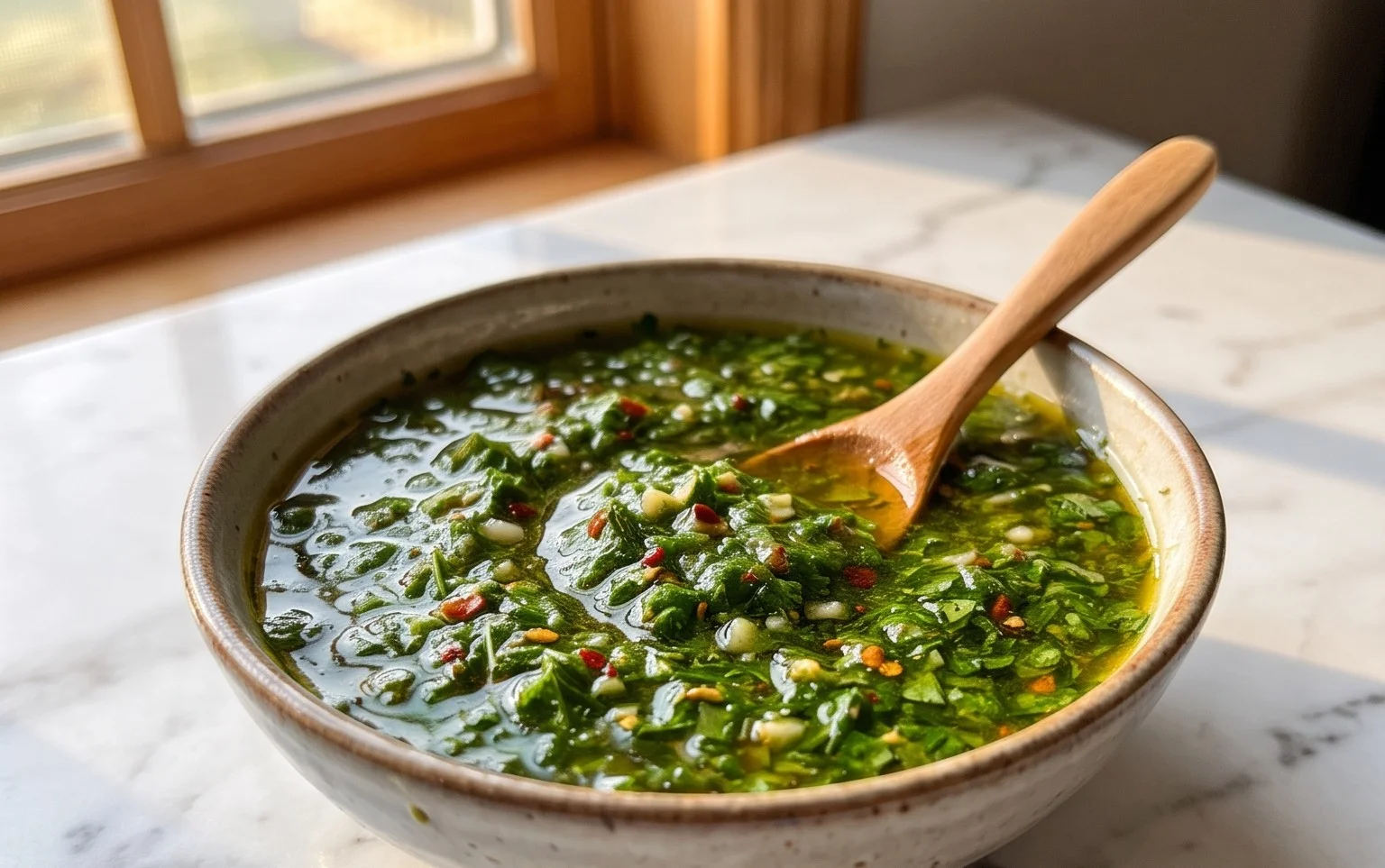
Chimichurri sauce is more than just a condiment; it’s a vibrant explosion of fresh herbs and zesty flavor that has captured the hearts of food lovers everywhere. If you’ve ever savored a perfectly grilled steak or tender roasted chicken elevated by a bright green drizzle, chances are you’ve experienced the magic of authentic chimichurri sauce. What makes this Argentinian staple so utterly irresistible? It’s the perfect harmony of parsley, oregano, garlic, vinegar, and olive oil, creating a sauce that is both herbaceous and tangy, with a subtle kick that awakens the palate. It’s wonderfully versatile, transforming simple dishes into culinary masterpieces, and it’s incredibly easy to make at home. Get ready to discover why this simple yet sensational chimichurri sauce will become your new go-to for adding a burst of freshness to almost anything.
Chimichurri Sauce: The Vibrant Green Secret to Elevating Any Dish
There’s something truly magical about a vibrant, herbaceous sauce that can instantly transform a simple grilled steak, roasted chicken, or even a plate of roasted vegetables into a culinary masterpiece. For me, that magic ingredient is chimichurri. This Argentinian classic is a revelation in its simplicity and an explosion of fresh, zesty flavors. It’s bright, garlicky, herbaceous, and has just the right amount of tang to cut through richness. Once you try it, you’ll find yourself reaching for it constantly, wondering how you ever lived without it. It’s surprisingly easy to make at home, and the payoff is immense. Forget store-bought; this homemade version is leagues above, packed with the freshest ingredients and a flavor profile that’s truly addictive.
Let’s dive into what makes this sauce so special and how you can whip up a batch in minutes.
Ingredients:
Note on Parsley: For the best flavor and texture, I highly recommend using flat-leaf (Italian) parsley. It has a more robust flavor and less bitterness than curly parsley. Make sure your parsley is fresh and vibrant for that unmistakable green hue.
* Note on Olive Oil: While you can use any good quality olive oil, I prefer an extra virgin extract olive oil for its fruity notes. It contributes significantly to the overall aroma and taste of the chimichurri.
Crafting Your Chimichurri
Making chimichurri is a wonderfully tactile process. The aroma that fills your kitchen as you chop the fresh herbs is simply divine. You can achieve a beautifully textured sauce in a couple of ways, depending on your preference and available tools. Some like it incredibly fine, almost like a pesto, while others enjoy a bit more texture, with distinct pieces of herbs and aromatics.
Step 1: Preparing Your Fresh Herbs and Aromatics
The foundation of any great chimichurri lies in the quality and preparation of its fresh ingredients. Begin extract by thoroughly washing and drying your fresh parsley and cilantro. Gently pat them dry with paper towels or use a salad spinner to remove excess moisture. This is crucial because excess water can dilute the flavor and affect the sauce’s consistency. Once dry, finely chop both the parsley and cilantro. Aim for a consistent chop, as this will ensure even distribution of flavor throughout the sauce. For the oregano, if you’re using fresh, chop it finely as well. If you’re opting for dried oregano, simply measure out the teaspoon. Next, mince the garlic cloves. You want them to be as fine as possible so they don’t overpower any single bite. Finally, finely chop the red onion or shallot. You can also pulse these ingredients in a food processor, but be careful not to over-process them into a paste. A slightly coarser chop offers a delightful textural contrast.
Step 2: Combining the Fresh Flavors
In a medium-sized bowl, combine your finely chopped parsley, cilantro, and oregano. Add the minced garlic and the finely chopped red onion or shallot to the bowl. This is where the vibrant colors and aromas start to meld. If you’re using red pepper flakes, now is a good time to stir them in. This is your opportunity to customize the heat level. Start with the suggested amount and you can always add more later if you desire a spicier kick.
Step 3: Adding the Tang and Seasoning
Now it’s time to introduce the acidic elements that will brighten and balance the herbaceousness. Pour in the red grape juice vinegar and fresh lemon juice. The red grape juice vinegar adds a lovely subtle sweetness and a beautiful blush of color that complements the green herbs. The lemon juice provides a sharp, zesty counterpoint that awakens the palate. Add the 1/2 teaspoon of salt at this stage. Salt is a flavor enhancer, and it will help all the individual ingredients sing together.
Step 4: Emulsifying with Olive Oil
This is the final crucial step in bringin extractg your chimichurri to life. Slowly drizzle in the olive oil while stirring continuously. The goal here is to create a beautiful emulsion. As you whisk or stir, the oil and the other liquid ingredients will begin extract to combine, forming a cohesive sauce. You can achieve a slightly thicker or thinner consistency depending on how much olive oil you incorporate and how vigorously you stir. I like to start with about three-quarters of the olive oil and then add more if I feel the sauce needs it. The oil not only binds the ingredients but also carries all those wonderful flavors.
Step 5: Tasting and Adjusting for Perfection
This is perhaps the most important step: tasting and adjusting! Dip a spoon into the chimichurri and take a generous taste. Does it have enough salt? Does it need more acidity from the vinegar or lemon juice? Is it spicy enough? This is your chance to personalize the sauce to your exact liking. Add more salt, vinegar, lemon juice, or red pepper flakes a little at a time, tasting after each addition, until you achieve the perfect balance of flavors. Remember, chimichurri is meant to be bright and bold, so don’t be afraid to give it a good seasoning.
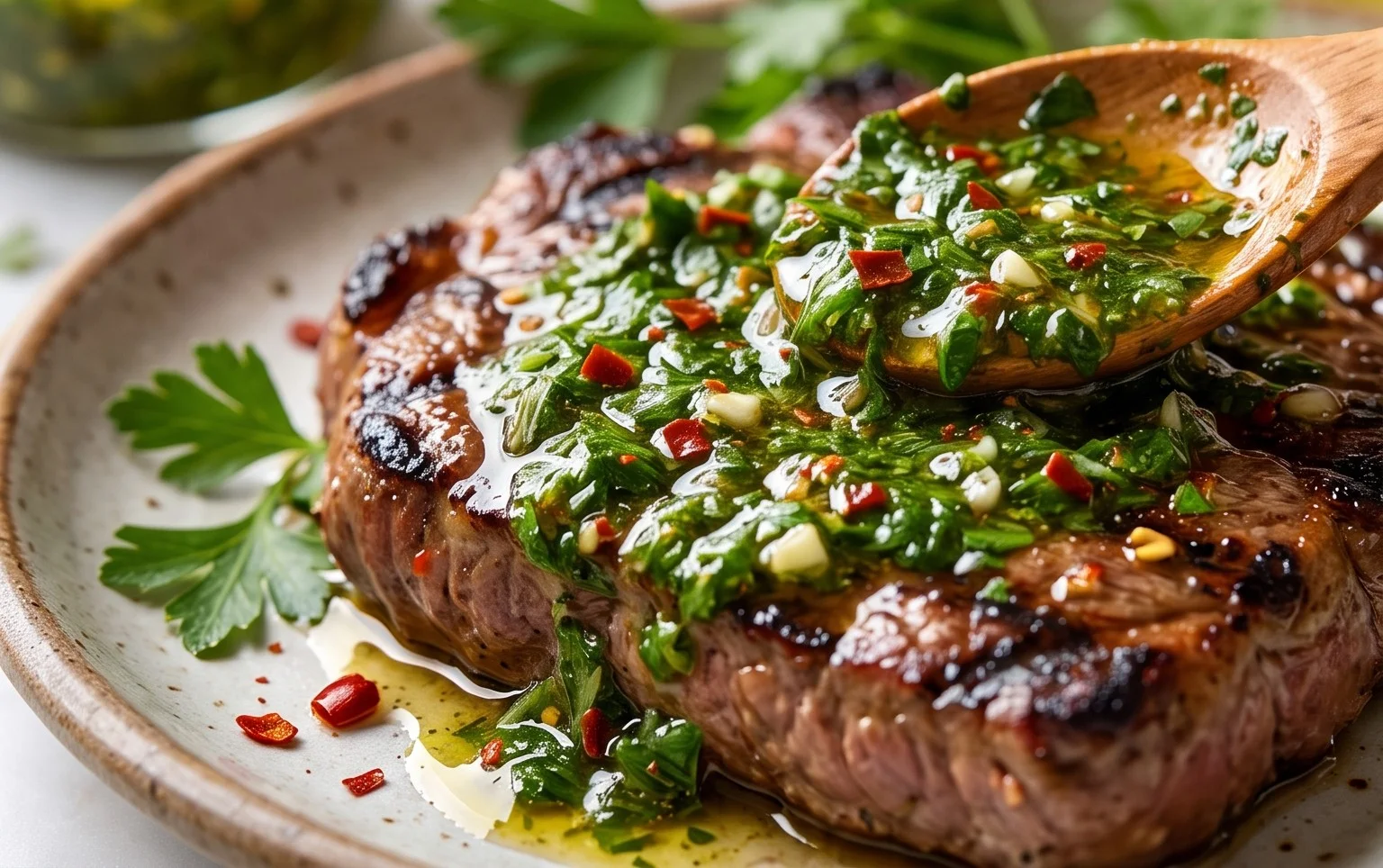
Once you’re happy with the flavor profile, your chimichurri is ready to be enjoyed! It’s best served fresh, but it can also be stored in an airtight container in the refrigerator for up to 3-4 days. The flavors will continue to meld and deepen over time, becoming even more complex and delicious. You’ll find that this versatile sauce is the perfect accompaniment to grilled meats, fish, chicken, roasted vegetables, sandwiches, and even as a dip for bread. Enjoy your vibrant, homemade chimichurri!
Conclusion:
And there you have it! You’ve learned how to create the most vibrant and flavorful chimichurri sauce from scratch. This recipe is fantastic because it’s incredibly simple to make, requires minimal ingredients, and packs a powerful punch of freshness. The bright, herbaceous notes of parsley and cilantro, balanced with the tang of vinegar and a hint of garlic and chili, make it the perfect accompaniment to almost anything. I find myself reaching for it constantly. Imagin extracte drizzling this luscious chimichurri over grilled steak, chicken, or even roasted vegetables. It’s also divine with fish, tossed with pasta, or even spread on a sandwich. Don’t be afraid to experiment! You can adjust the chili flakes for heat, add a pinch of oregano, or even include a touch of mint for an interesting twist. Give this chimichurri sauce a try – I promise you won’t regret adding this zesty staple to your culinary repertoire.
Frequently Asked Questions:
What is the best way to store chimichurri sauce?
You can store your homemade chimichurri sauce in an airtight container in the refrigerator for up to a week. The flavors tend to meld and deepen over time, making it even more delicious. For longer storage, you can freeze it in ice cube trays and then transfer the frozen cubes to a freezer bag. This way, you’ll have handy portions ready to go whenever the craving strikes!
Can I make chimichurri sauce without fresh parsley?
While fresh parsley is key to the traditional flavor, you can substitute some or all of it with fresh cilantro if you prefer. You can also experiment with other fresh herbs like oregano or chives, though it will alter the classic chimichurri profile. The goal is to achieve a vibrant, herbaceous taste, so use what you have and enjoy the variations!
How spicy should chimichurri sauce be?
The spice level of chimichurri sauce is entirely up to your preference! The recipe typically calls for red pepper flakes, and you can easily adjust the amount. Start with a smaller pinch and taste as you go. If you like it with a bit more heat, simply add more flakes. For a milder sauce, use less or omit them entirely. You can also use fresh chili peppers like jalapeños for a different kind of heat.
Chimichurri Sauce
A vibrant and herbaceous Argentinian sauce, perfect for grilled meats and vegetables. This version offers a delightful tang with a subtle kick.
Ingredients
-
1 1/2 cups well packed (42g) fresh parsley
-
1/2 cup well packed (20g) fresh cilantro
-
1/4 cup (9g) fresh oregano or 1 tsp dried
-
1/4 small red onion
-
3 garlic cloves
-
3 Tbsp red grape juice vinegar
-
2 Tbsp fresh lemon juice
-
1/2 tsp salt
-
1/4 tsp red pepper flakes
-
3/4 cup olive oil
Instructions
-
Step 1
Finely chop the fresh parsley, cilantro, and fresh oregano (if using). If using dried oregano, set aside. -
Step 2
Finely chop the red onion (or shallot) and mince the garlic cloves. -
Step 3
In a medium bowl, combine the chopped herbs, chopped onion/shallot, minced garlic, red grape juice vinegar, lemon juice, salt, and red pepper flakes (if using). -
Step 4
Whisk the olive oil into the herb and vinegar mixture until well combined. -
Step 5
Taste and adjust seasoning with more salt or red pepper flakes if desired. -
Step 6
Allow the chimichurri sauce to sit for at least 10-15 minutes before serving to allow the flavors to meld.
Important Information
Nutrition Facts (Per Serving)
It is important to consider this information as approximate and not to use it as definitive health advice.
Allergy Information
Please check ingredients for potential allergens and consult a health professional if in doubt.