Homemade Pâtes de Fruits – No Corn Syrup Recipe
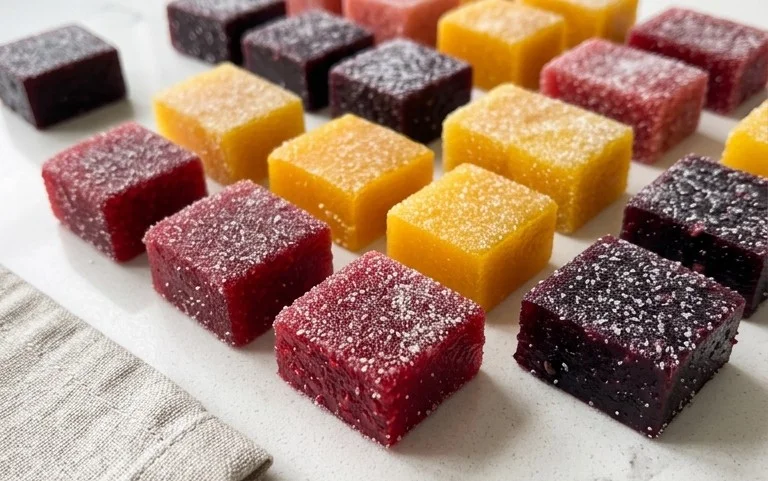
Homemade Pâtes de Fruits (no corn syrup) are a delightful gateway into the world of artisanal confections, offering a vibrant burst of pure fruit flavor that’s both sophisticated and surprisingly achievable in your own kitchen. Forget those overly sweet, artificial-tasting candies; these jewel-toned chews are a celebration of nature’s bounty, showcasing the essence of your favorite fruits in a perfectly balanced, tender bite. What truly sets these homemade pâtes de fruits apart is their exquisite texture – a delightful chegrape juicess that yields to a luscious, melt-in-your-mouth sensation, all without the need for corn syrup. We’ll guide you through creating these delightful treats, proving that achieving that perfect balance of sweetness and fruit intensity is entirely within your grasp. Get ready to impress yourself and your loved ones with these beautiful and delicious pâtes de fruits!
Homemade Pâtes de Fruits (No Corn Syrup)
There’s something truly magical about homemade pâtes de fruits. These vibrant, chewy fruit jellies are a delightful treat, bursting with pure fruit flavor. Often, recipes rely on corn syrup to achieve the perfect texture and prevent crystallization, but I’m going to show you how to make them deliciously without it! We’ll be using a simple combination of fruit juice, sugar, pectin, and lemon juice for a truly authentic and customizable experience. Get ready to impress yourself and your loved ones with these exquisite little gems.
Ingredients:
*Note on Pectin: For this recipe, I recommend using “classic” or “high-methoxyl” pectin, often found in the baking aisle of your grocery store. It requires sugar and acid to gel. Avoid “low-methoxyl” or “no-sugar-added” pectin as it requires different setting conditions and can lead to a less desirable texture in this application.
Let’s Get Cooking!
This process is surprisingly straightforward, but it does require a bit of attention and careful temperature monitoring. The key to success is understanding how pectin works and ensuring everything is measured accurately.
Preparing Your Fruit Juice Base
The first step is to get our fruit juice ready. If you’re using freshly squeezed juice, make sure it’s strained to remove any pulp or seeds that could interfere with the texture of your pâtes de fruits. If you’re using store-bought juice, opt for a high-quality, 100% juice with no added sugars or artificial ingredients. This is where you can really play with flavors! Try raspberry, strawberry, mango, or even a blend of tropical fruits. For our orange and pomegranate batch, we combined 1 cup of freshly squeezed orange juice with 1 cup of pomegranate juice. Ensure your total volume is exactly 2 cups.
Activating the Pectin
In a medium saucepan, whisk together the 3 tablespoons of classic pectin and 1 cup of granulated sugar. It might seem like a lot of sugar, but it’s crucial for activating the pectin and achieving that signature smooth, non-crystallized texture. Whisking them together thoroughly before adding any liquid helps to distribute the pectin evenly and prevent clumps. This pre-mixing step is key to a smooth gel.
Combining and Cooking the Mixture
Now, it’s time to bring everything together. Pour your prepared fruit juice into the saucepan with the pectin and sugar mixture. Stir continuously over medium heat. You’ll want to bring this mixture to a full, rolling boil. A rolling boil is one that cannot be stirred down – it bubbles vigorously all over the surface. This is essential for the pectin to properly activate and set.
The Crucial Boiling Phase
Once you reach that rolling boil, continue to cook and stir vigorously for exactly 1 minute. This short but critical boiling time ensures that the pectin is fully hydrated and starts to form its gel structure. Be vigilant during this minute; it’s the most important part of the cooking process for setting your pâtes de fruits. If you under-boil, they might remain too soft; if you over-boil, they could become too firm or even burn. Keep a close eye on your timer and stir constantly to prevent any scorching on the bottom of the pan.
Adding the Lemon Juice and Final Cook
After the 1-minute boil, remove the saucepan from the heat. Carefully stir in the 1 tablespoon of freshly squeezed lemon juice. The lemon juice acts as an acidifier, which is another crucial element for pectin to set properly, and it also brightens the fruit flavors beautifully. Give it a final, thorough stir to ensure everything is well incorporated. The mixture should now have a slightly thicker, syrupy consistency.
Pouring and Setting
Prepare an 8×8 inch baking pan by lining it with parchment paper or plastic wrap, leaving some overhang on the sides. This will make it much easier to lift the set pâtes de fruits out later. Pour the hot fruit mixture into the prepared pan. You’ll want to work relatively quickly at this stage, as the mixture will start to set as it cools. Gently tilt the pan to ensure the mixture spreads evenly. Allow the pâtes de fruits to cool at room temperature for about 30 minutes, then transfer the pan to the refrigerator. Let them chill and set completely for at least 4 hours, or preferably overnight. This extended chilling time is vital for them to firm up properly and become easy to cut.
Cutting and Coating
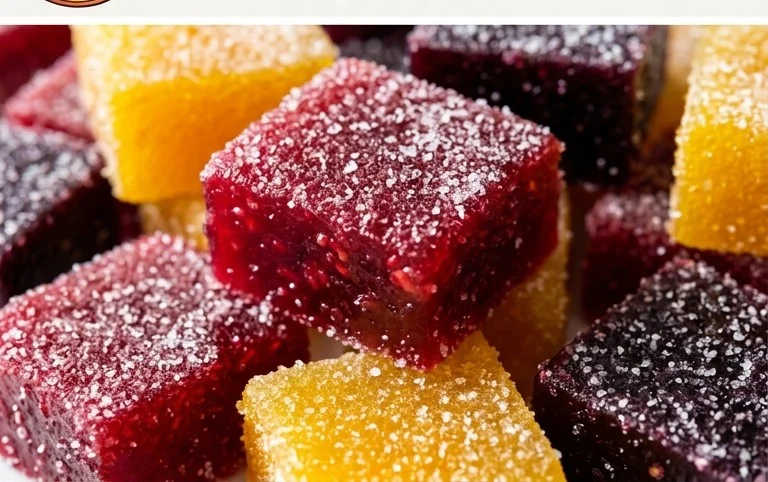
Once completely set, carefully lift the entire slab of fruit jelly out of the pan using the parchment paper overhang. Place it on a clean cutting board. Using a sharp knife or a pizza cutter, cut the slab into small squares or desired shapes. You can make them as bite-sized as you like! Now for the fun part: coating them in sugar. Pour a generous amount of granulated sugar onto a plate or shallow dish. Gently toss each pâte de fruit in the sugar until it’s evenly coated on all sides. This sugar coating not only adds a delightful sweetness and textural contrast but also helps prevent them from sticking together.
Enjoy your homemade, corn-syrup-free pâtes de fruits! They are a wonderful homemade candy, perfect for gifting or enjoying with a cup of tea.
Conclusion:
Congratulations on mastering the art of homemade pâtes de fruits without the use of corn syrup! This recipe is a triumph because it allows you to control the ingredients and achieve that perfect, chewy texture and vibrant fruit flavor with natural sugars. The result is a sophisticated confection that’s far more rewarding to make and enjoy than any store-bought version. You’ve unlocked a delightful way to preserve the essence of your favorite fruits in a beautiful and delicious treat. Imagin extracte the satisfaction of presenting these jewel-like candies to friends and family!
These delightful pâtes de fruits are incredibly versatile. Serve them as an elegant after-dinner treat, a vibrant addition to a cheese board, or a thoughtful homemade gift. They also make a stunning garnish for cakes and desserts, adding a burst of color and fruity tang. Don’t hesitate to experiment with different fruit combinations! Think of tangy raspberry-lemon, exotic mango-passionfruit, or even a sophisticated pear-vanilla. The possibilities are truly endless, and the process is so enjoyable. I wholeheartedly encourage you to try this recipe – embrace the process, savor the aroma as they cook, and revel in the exquisite taste of your very own, no-corn-syrup, homemade pâtes de fruits!
Frequently Asked Questions:
Why did my pâtes de fruits not set properly?
Several factors can contribute to pâtes de fruits not setting. Ensuring your fruit purée is concentrated enough is crucial. Overheating the sugar syrup or not cooking it to the correct temperature (around 110-112°C or 230-234°F) can also prevent proper setting. Additionally, the pectin needs time to activate; allow sufficient chilling time. Make sure you’re using a reliable thermometer for accuracy.
Can I use other fruits besides those in the recipe?
Absolutely! This recipe is a fantastic base for a wide array of fruits. Softer fruits like berries, peaches, and apricots work wonderfully. For firmer fruits, you might need to cook them down a little longer to achieve a smooth purée. The key is to have a concentrated fruit purée and a good ratio of fruit to sugar and pectin. Enjoy exploring different flavor profiles!
Homemade Pâtes de Fruits (no corn syrup)
Delicious fruit jellies made from scratch without corn syrup, featuring vibrant fruit flavors.
Ingredients
-
{‘@type’: ‘Ingredient’, ‘name’: ‘fruit juice’, ‘amount’: ‘2 cups’, ‘description’: ‘e.g., orange and pomegranate’}
-
{‘@type’: ‘Ingredient’, ‘name’: ‘granulated sugar’, ‘amount’: ‘1 cup’, ‘description’: ‘plus more for coating’}
-
{‘@type’: ‘Ingredient’, ‘name’: ‘classic pectin’, ‘amount’: ‘3 tablespoons’}
-
{‘@type’: ‘Ingredient’, ‘name’: ‘freshly squeezed lemon juice’, ‘amount’: ‘1 tablespoon’}
-
{‘@type’: ‘Ingredient’, ‘name’: ‘vegetable oil’, ‘amount’: ‘for greasing the pan’}
Instructions
-
Step 1
Grease an 8×8 inch baking pan with vegetable oil and set aside. Prepare a shallow dish with granulated sugar for coating the finished pâtes de fruits. -
Step 2
In a medium saucepan, whisk together the fruit juice and granulated sugar. Sprinkle the pectin evenly over the surface and let it sit for 1 minute. -
Step 3
Place the saucepan over medium heat, stirring constantly. Bring the mixture to a boil, then reduce the heat slightly and continue to cook and stir for 5 minutes, ensuring the sugar is fully dissolved and the mixture thickens. -
Step 4
Remove from heat and stir in the freshly squeezed lemon juice. Pour the hot mixture into the prepared baking pan, spreading it evenly. -
Step 5
Let the mixture cool at room temperature for about 30 minutes, then transfer the pan to the refrigerator and chill for at least 2 hours, or until firm. -
Step 6
Once firm, turn the jelly out onto a cutting board. Cut into desired shapes (squares or rectangles are common). Roll each piece in the prepared granulated sugar to coat. -
Step 7
Allow the coated pâtes de fruits to air dry on a parchment-lined baking sheet for a few hours at room temperature before storing in an airtight container.
Important Information
Nutrition Facts (Per Serving)
It is important to consider this information as approximate and not to use it as definitive health advice.
Allergy Information
Please check ingredients for potential allergens and consult a health professional if in doubt.