Easy Miso Soup Recipe- Delicious & Quick
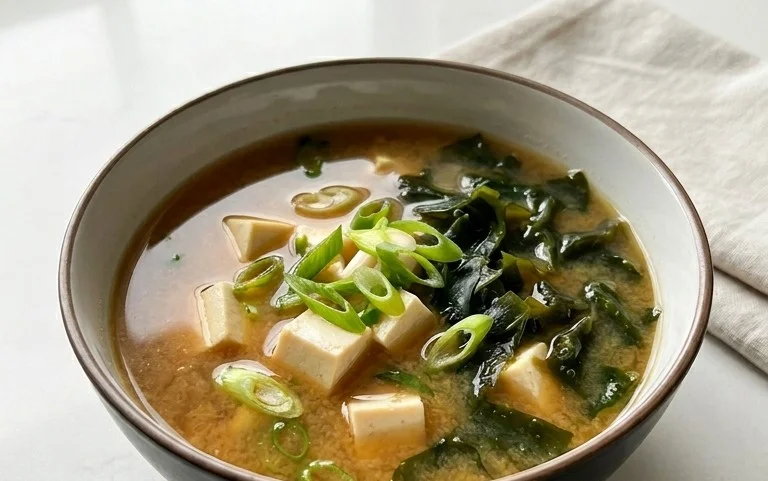
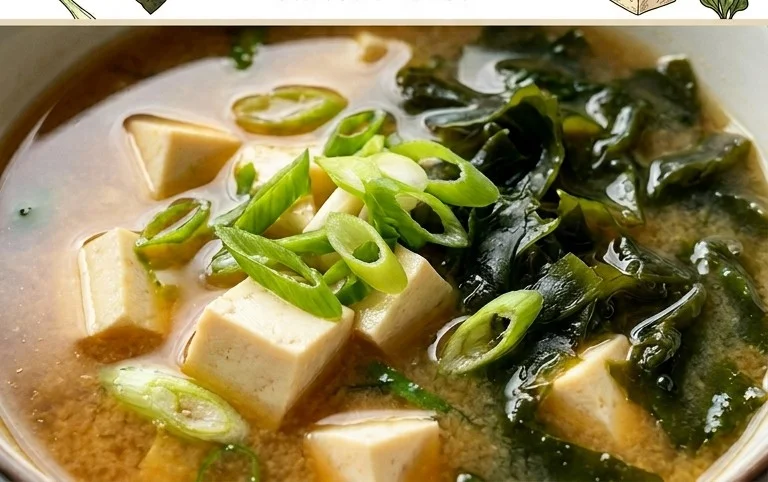
Miso soup recipe, a comforting embrace in a bowl, is more than just an appetizer; it’s a culinary hug that transports you straight to the heart of Japan. For many, myself included, this humble yet profoundly satisfying dish evokes feelings of warmth, nourishment, and pure, unadulterated deliciousness. What is it about this seemingly simple broth that captivates so many? It’s the delicate dance of savory, umami-rich miso paste, harmonizing with the subtle sweetness of dashi broth. This isn’t just another soup; it’s an experience, a moment of mindful eating that can be customized to your heart’s content with a delightful array of ingredients like silken tofu, emerald green scallions, and earthy wakame seaweed.
Discover the Magic of Homemade Miso Soup
Let’s dive into creating your perfect bowl!
The Art of Simple Comfort: My Go-To Miso Soup Recipe
There’s something incredibly soothing about a warm bowl of miso soup. It’s a culinary hug, a taste of tradition, and surprisingly, a dish that’s wonderfully simple to make at home. Forget the instant packets; with just a few quality ingredients, you can create a flavorful, authentic miso soup that will transport you straight to Japan. This recipe is my personal favorite for its ease and deliciousness. It’s perfect as a light starter, a side dish, or even a quick and healthy snack.
Ingredients:
Bringin extractg the Broth to Life
The foundation of any great miso soup is the dashi. Dashi is a fundamental Japanese stock that imparts a delicate, umami-rich flavor. You can find instant dashi granules at most Asian grocery stores, which are incredibly convenient. Simply follow the package instructions to create 2½ cups of dashi. If you’re feeling adventurous and want to make your own from scratch using kombu (kelp) and katsuobushi (bonito flakes), that’s fantastic, but the instant version is a perfect time-saver for this recipe. Once your dashi is prepared, pour it into a medium saucepan.
The Flavorful Infusion
Next, we’ll add the dried seaweed to the dashi. For this recipe, I like to use wakame, a type of edible seaweed that rehydrates beautifully and adds a subtle brininess and a delightful chewy texture. I use a generous tablespoon, making sure it’s nicely “heaping.” Place the saucepan over medium heat. As the dashi begin extracts to warm, the dried seaweed will slowly unfurl and soften. Give it a gentle stir to ensure it’s fully submerged and absorbing the liquid. This step allows the seaweed to release its flavor into the broth, contributing to the overall complexity of the soup. Don’t rush this; let the dashi come to a gentle simmer.
Adding Silken Smoothness
Once the dashi is simmering and the seaweed has softened, it’s time to add the tofu. I opt for silken tofu because its delicate texture melts in your mouth and complements the other ingredients perfectly. Carefully cut the 4 oz block of silken tofu into small, bite-sized pieces. I usually aim for cubes about ½ inch square. Gently slide the tofu pieces into the simmering broth. Be careful not to break them up too much; we want them to retain their shape and add a creamy element to the soup. Let the tofu heat through for a minute or two; it doesn’t need to cook extensively, just warm up.
The Miso Magic
This is where the magic truly happens – incorporating the miso paste. Miso paste is a fermented soybean paste that is the heart and soul of this soup, providing its signature salty, savory, and earthy flavor. There are many types of miso, but a common choice for miso soup is awase (a blend of red and white miso) or shiro (white) miso for a milder flavor. Start with 2 tablespoons of miso paste. It’s crucial to dissolve the miso paste properly to avoid clumps and ensure even flavor distribution. You can do this by taking a small amount of the hot dashi into a separate bowl, adding the miso paste to it, and whisking until it forms a smooth paste. Then, gently stir this dissolved miso mixture back into the saucepan with the rest of the broth.
The Final Touches and Serving
Now, this is a very important step: do not boil the miso soup after adding the miso paste. Boiling miso can diminish its delicate flavor and beneficial probiotics. Instead, gently stir the soup over low heat until the miso is fully incorporated and the soup is heated through. Taste the soup and adjust the seasoning by adding more miso paste if you prefer a stronger flavor. Remember, miso paste can vary in saltiness, so it’s always best to start with a little and add more as needed. Finally, ladle the hot miso soup into your serving bowls. Garnish generously with the chopped scallions. The fresh, bright flavor of the scallions adds a lovely contrast and a burst of color. Serve immediately and enjoy the comforting warmth and delicious, savory taste of your homemade miso soup! This recipe is a testament to how simple ingredients can create something truly extraordinary.
Conclusion:
I hope you’ve enjoyed learning how to make this wonderfully comforting and incredibly versatile miso soup recipe! It truly is a kitchen hero – quick to prepare, packed with umami-rich flavor, and remarkably healthy. Whether you’re looking for a light starter, a nourishing lunch, or a soothing addition to any meal, this miso soup delivers. Don’t be afraid to get creative with your additions; the beauty of this recipe lies in its adaptability. Experiment with different vegetables, proteins, and toppings to create your own signature bowl. Give this miso soup a try – I promise you won’t be disappointed, and you might just find yourself making it a regular part of your culinary repertoire!
Frequently Asked Questions about Miso Soup:
Can I make miso soup ahead of time?
While you can prepare the dashi broth and chop your ingredients in advance, it’s best to add the miso paste and delicate ingredients like tofu and green onions just before serving. Miso paste can lose some of its beneficial properties and its vibrant flavor if boiled for too long.
What are some other delicious additions to miso soup?
The possibilities are endless! Beyond the basics, consider adding enoki mushrooms, shiitake mushrooms, spinach, bok choy, edamame, or even a protein like cooked chicken or shrimp. A swirl of sesame oil or a sprinkle of toasted sesame seeds can also elevate the flavor.
Is miso soup healthy?
Absolutely! Miso itself is a fermented soybean paste that is rich in probiotics, vitamins, and minerals. The dashi broth is generally low in calories, and when you add plenty of vegetables and lean protein, it becomes a truly nutritious and satisfying meal.
Miso Soup Recipe
A simple and authentic Miso Soup recipe, featuring a savory dashi broth, silken tofu, and fragrant seaweed.
Ingredients
-
2½ cups Dashi
-
1 heaping tablespoon dried seaweed
-
4 oz silken tofu (cut into small pieces)
-
2-2½ tablespoons white miso paste (or to taste)
-
1 tablespoon scallion (chopped)
-
1 teaspoon soy sauce (optional, for added umami)
Instructions
-
Step 1
In a medium pot, bring the Dashi to a simmer over medium heat. -
Step 2
Add the dried seaweed and let it rehydrate for about 2-3 minutes. -
Step 3
Gently add the silken tofu pieces to the simmering broth. -
Step 4
In a small bowl, whisk the miso paste with a ladleful of the hot Dashi until smooth. This prevents clumps. -
Step 5
Stir the dissolved miso mixture into the pot. Heat gently, but do not boil, as boiling can diminish the flavor of the miso. -
Step 6
Stir in the chopped scallions and optional soy sauce. -
Step 7
Serve immediately.
Important Information
Nutrition Facts (Per Serving)
It is important to consider this information as approximate and not to use it as definitive health advice.
Allergy Information
Please check ingredients for potential allergens and consult a health professional if in doubt.