Maroulosalata Greek Lettuce Salad – Fresh & Easy Recipe
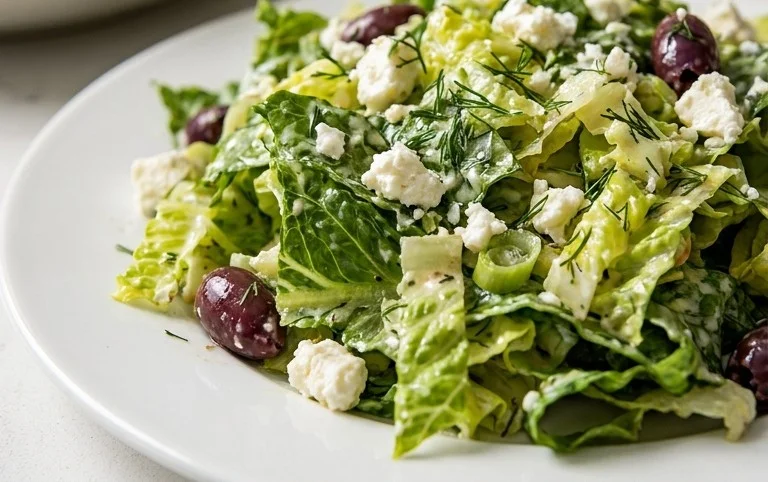
Maroulosalata, the iconic Greek lettuce salad, is a dish that embodies simplicity, freshness, and pure sunshine. When I think of a perfect summer meal, especially one bursting with authentic Mediterranean flavors, this is what immediately comes to mind. It’s the ultimate sidekick to grilled meats, a refreshing counterpoint to rich moussaka, or even a light and satisfying lunch on its own. What makes Maroulosalata so universally loved? It’s that incredible contrast of crisp, cool lettuce, the salty tang of feta, the sharp bite of red onion, and that zesty lemon-olive oil dressing. It’s a symphony of textures and tastes that is somehow greater than the sum of its wonderfully simple parts. This isn’t just any salad; it’s a taste of Greek hospitality, a vibrant explosion of flavor that always leaves me feeling happy and nourished.
Dive into the refreshing world of Maroulosalata!
Discover the secrets to making this classic Greek salad truly shine.
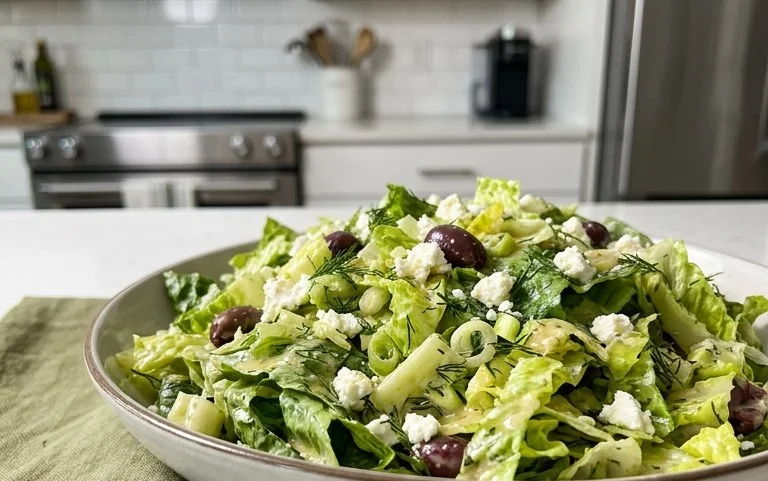
Maroulosalata (Greek Lettuce Salad)
There’s something truly special about Maroulosalata, the quintessential Greek lettuce salad. It’s a dish that embodies simplicity and freshness, a vibrant burst of flavor that’s incredibly satisfying. Forget heavy dressings and complicated techniques; this salad is all about celebrating the crispness of lettuce, the zing of lemon, and the salty tang of feta. It’s the perfect accompaniment to grilled meats, a light lunch on its own, or a refreshing addition to any mezze platter. I’ve been making this salad for years, and it never fails to impress with its vibrant colors and clean, bright taste. It’s a testament to how a few well-chosen, high-quality ingredients can create something truly magical.
Ingredients:
Preparation and Assembly
The beauty of Maroulosalata lies in its straightforward preparation. There’s no cooking involved, just a bit of chopping and whisking. The key is to have fresh, crisp ingredients, as they are the stars of this show. I always opt for the freshest romaine I can find, looking for heads that feel heavy and have tightly packed, vibrant green leaves. The same goes for the dill and green onions – a good bunch makes all the difference.
1. Begin extract by preparing the romaine lettuce. It’s crucial to wash and dry your lettuce thoroughly. I like to separate the leaves, then rinse them under cool running water, paying attention to get any dirt from between the ribs. After rinsing, I spin them dry in a salad spinner, and then even give them a gentle pat with clean kitchen towels to ensure they are as dry as possible. Any excess water will dilute the dressing and make the salad soggy. Once dry, I tear the leaves into bite-sized pieces directly into a large salad bowl. Tearing the lettuce rather than cutting it is a traditional touch that can help the leaves hold onto the dressing a little better.
2. Next, add the aromatics. Trim the ends of the green onions and chop them finely. I like to use both the white and the green parts, as they both contribute their own unique flavor profile – the whites are a bit more pungent, while the greens offer a milder oniony bite. Add the chopped green onions to the bowl with the lettuce. Then, take your fresh dill and give it a good chop. Dill has a wonderfully distinct aroma and taste that is central to many Greek dishes, and in Maroulosalata, it adds a fragrant herbaceousness that is simply divine. Scatter the chopped dill over the lettuce and green onions.
3. Now for the dressing, which is incredibly simple yet packs a punch. In a small bowl or a jug, combine the olive oil and the juice of one lemon. I always use freshly squeezed lemon juice; bottled juice just doesn’t have the same vibrant, zesty flavor. Whisk these two ingredients together until they are well combined. This emulsifies the dressing slightly, creating a lighter, more uniform coating for the salad. Add the salt to the dressing and whisk again to dissolve. Taste the dressing at this stage; you might want to add a tiny bit more lemon juice for extra tartness or a pinch more salt if needed, depending on your preference and the saltiness of your feta.
4. Crum extractble the feta cheese. I prefer to crum extractble the feta myself rather than buying pre-crum extractbled, as it tends to be fresher and less dry. Add the crum extractbled feta to the salad bowl with the lettuce, green onions, and dill. The salty, briny feta is what truly elevates this salad, providing a delightful contrast to the crisp lettuce and tangy dressing.
5. Finally, it’s time to dress and toss the salad. Pour the lemon-olive oil dressing evenly over the ingredients in the bowl. Now, gently toss everything together to coat all the components. Use your hands for this part if you’re comfortable, as it allows you to get a good feel for the salad and ensure every leaf is lightly coated without bruising them. The goal is to distribute the dressing and feta throughout the salad.
Serve your Maroulosalata immediately. This salad is best enjoyed fresh, while the lettuce is still wonderfully crisp. It’s a wonderfully versatile salad that pairs beautifully with almost any Mediterranean-inspired dish. Enjoy the simple perfection of this classic Greek delight!
Conclusion:
So there you have it – a simple yet incredibly satisfying Maroulosalata, the quintessential Greek lettuce salad! This recipe is a winner because it’s light, refreshing, and bursting with vibrant flavors. The crisp lettuce, the tangy lemon-olive oil dressing, and the salty feta create a perfect symphony that complements any meal. I find myself making this Greek lettuce salad all the time, especially during warmer months, but honestly, it’s delicious year-round!
Maroulosalata is incredibly versatile. It’s the perfect side dish for grilled meats like souvlaki, roasted chicken, or even a simple piece of fish. It also makes a fantastic light lunch on its own, perhaps with some crusty bread for dipping. Don’t be afraid to experiment with variations! You can add chopped cucumber for extra crunch, a sprinkle of dill for an aromatic boost, or even some Kalamata olives for an extra salty kick.
I truly encourage you to give this Maroulosalata recipe a try. It’s so easy to whip up, and the results are truly impressive. You’ll be amazed at how a few simple ingredients can create something so delicious and authentically Greek. Enjoy!
Frequently Asked Questions:
Is Maroulosalata the same as other green salads?
While Maroulosalata is a green salad, its distinctiveness lies in its simplicity and specific flavor profile. The generous use of fresh lemon juice and good quality olive oil, combined with the classic addition of feta cheese and fresh herbs like parsley or dill, sets it apart from many other green salads. It’s a celebration of fresh, bright Mediterranean flavors.
Can I make Maroulosalata ahead of time?
It’s best to assemble your Maroulosalata just before serving to ensure the lettuce remains crisp and the dressing doesn’t make it wilt. You can prepare the dressing and chop all your ingredients (lettuce, herbs, feta) ahead of time and store them separately in the refrigerator. Then, simply toss everything together right before you’re ready to enjoy it.
Maroulosalata (Greek Lettuce Salad)
A refreshing and classic Greek lettuce salad with fresh herbs and a zesty lemon dressing.
Ingredients
-
2 heads romaine lettuce
-
3 green onions, chopped
-
½ cup fresh dill, chopped
-
½ cup crumbled feta cheese
-
2 tablespoons olive oil
-
Juice of 1 lemon
-
½ teaspoon salt
Instructions
-
Step 1
Wash and thoroughly dry the romaine lettuce. Tear or chop into bite-sized pieces and place in a large salad bowl. -
Step 2
Add the chopped green onions and chopped fresh dill to the bowl with the lettuce. -
Step 3
In a small bowl, whisk together the olive oil, fresh lemon juice, and salt until well combined. -
Step 4
Pour the lemon-olive oil dressing over the lettuce, green onions, and dill. -
Step 5
Gently toss the salad to coat all the ingredients evenly with the dressing. -
Step 6
Sprinkle the crumbled feta cheese over the top of the salad just before serving.
Important Information
Nutrition Facts (Per Serving)
It is important to consider this information as approximate and not to use it as definitive health advice.
Allergy Information
Please check ingredients for potential allergens and consult a health professional if in doubt.